

Treat depression, without the side effects of drugs

"Overwhelmingly positive feedback from patients"

“It was like a switch flicked”

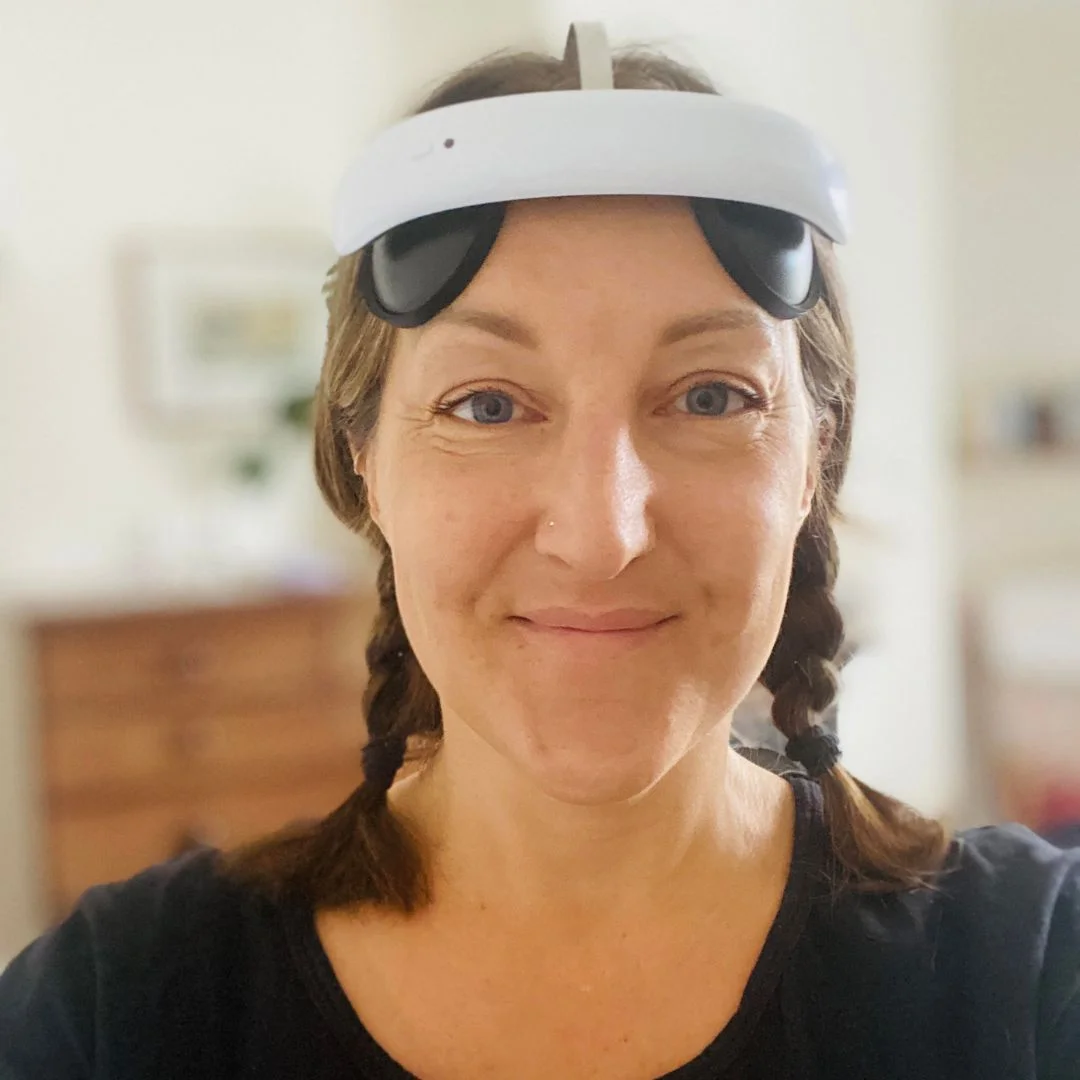
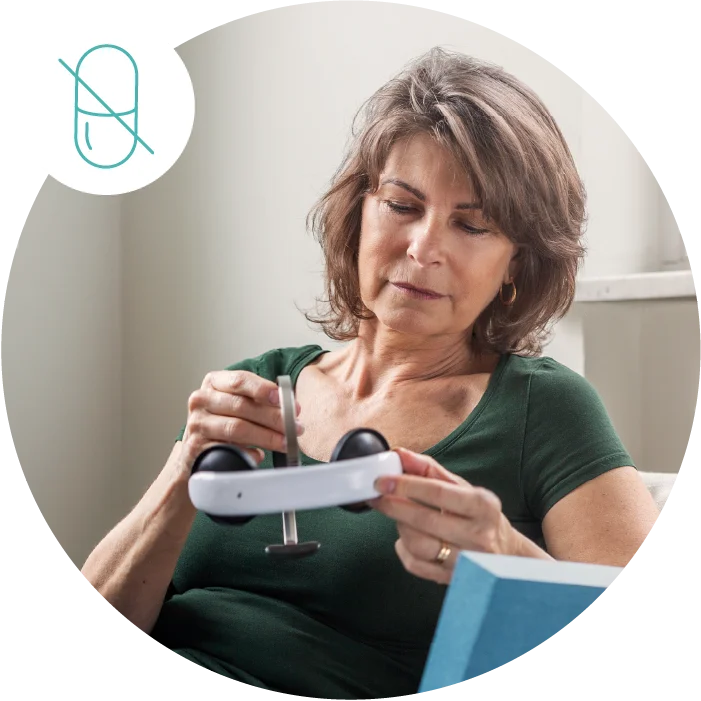
"Could this headset stop me needing antidepressants?"

Feel better in 3 weeks

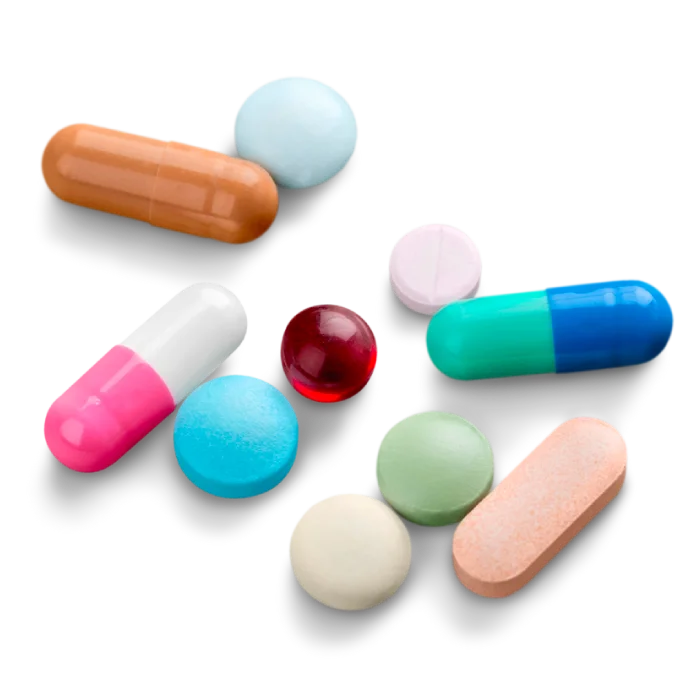
No side effects of medication

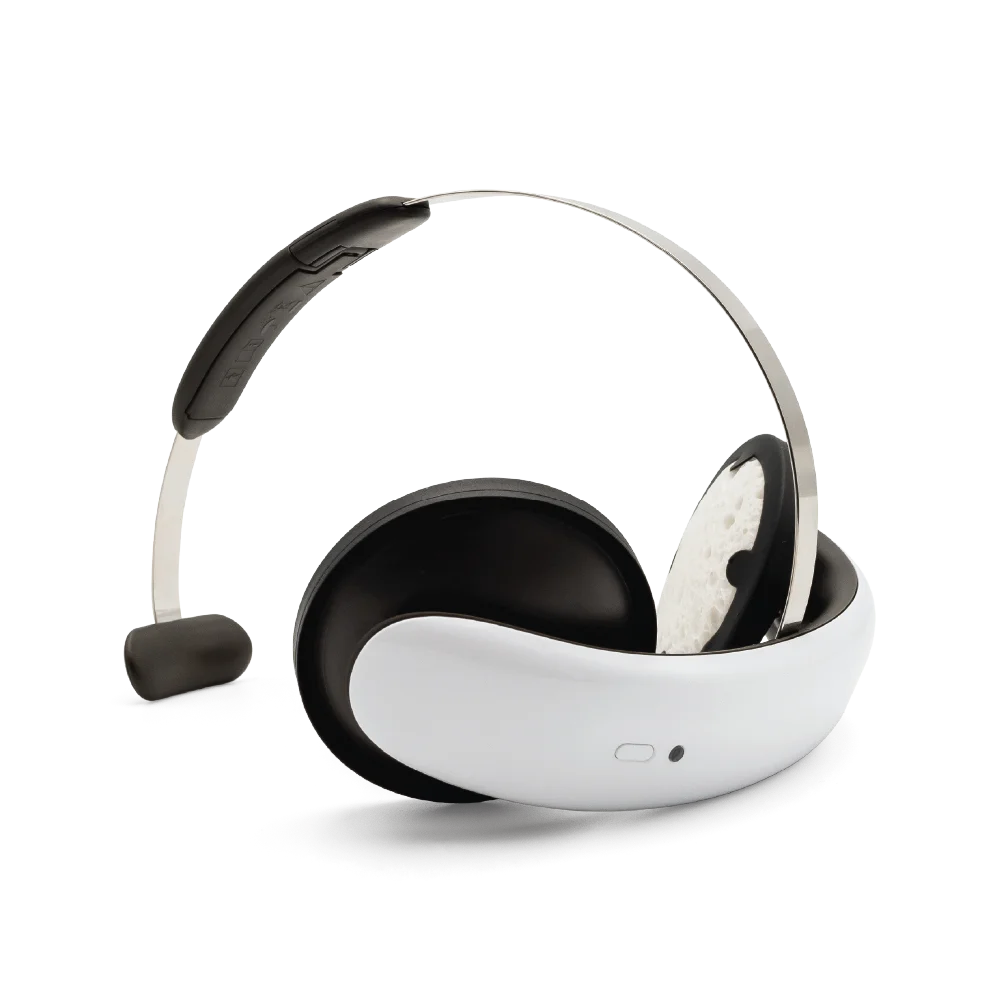
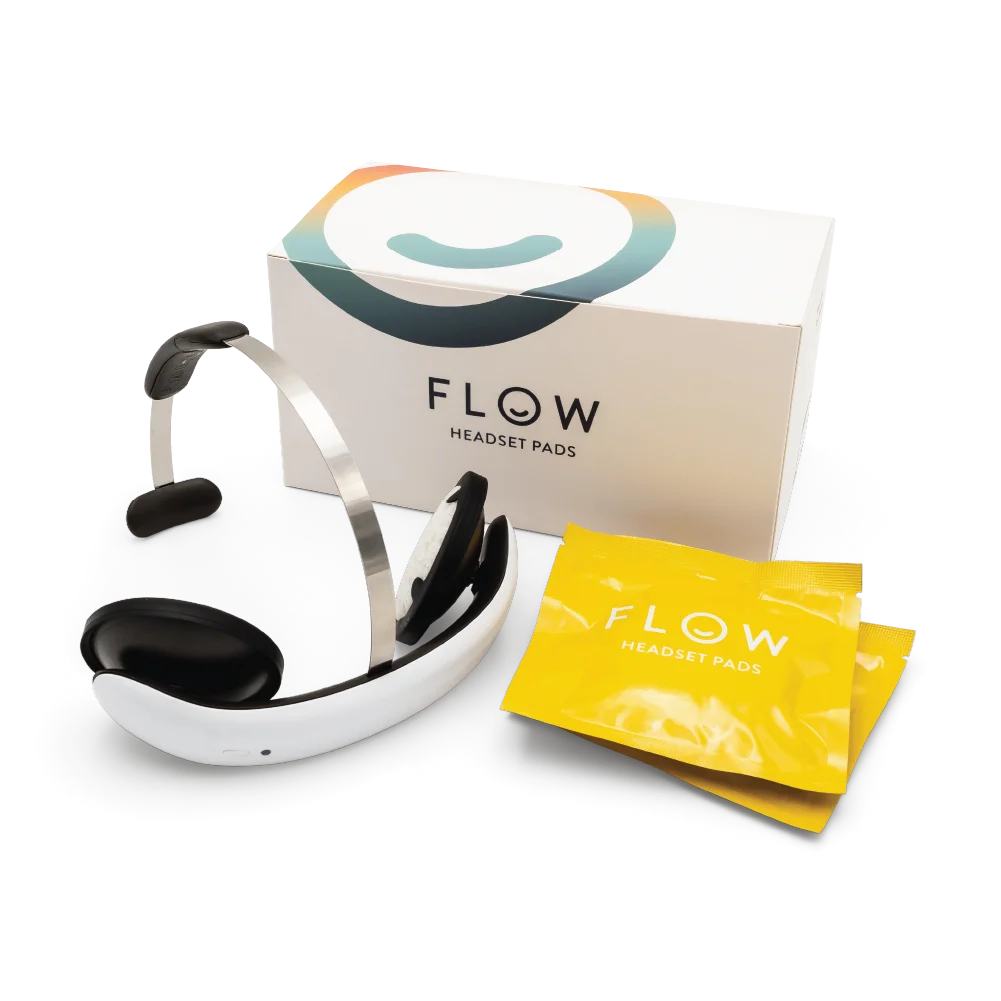
Our technology uses a non-invasive brain stimulation method called tDCS.

Treatment that works fast

No appointments or waiting lists, we deliver in 1-3 working days. 88% of people see results within 3 weeks.

30-day money-back guarantee

Just over 1 in 10 people don’t see improvements with Flow. If that’s you, we offer a ‘no questions asked’ money back guarantee.

How Flow works

When you experience depression, there are lower levels of activity in the front area of your brain. This is the part responsible for regulating mood, sleep and motivation.

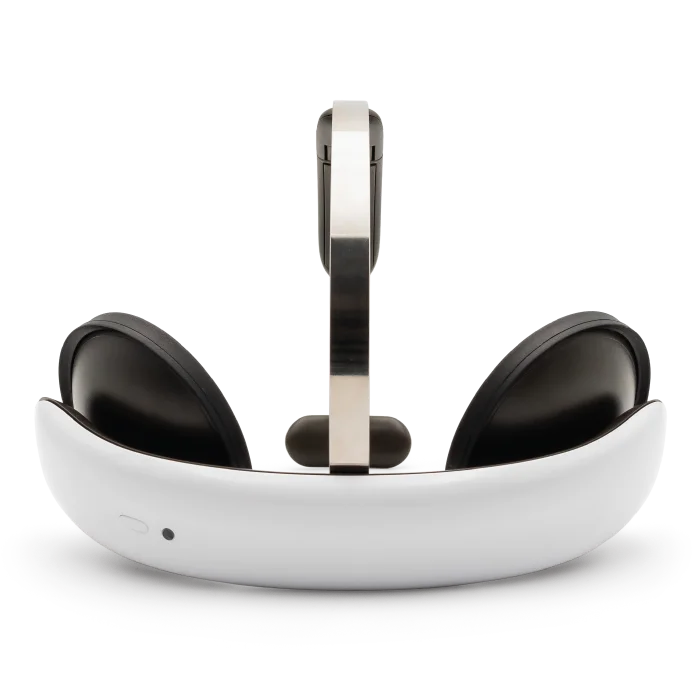
Your brain runs on electricity; Flow sends gentle electrical impulses into the area that has slowed down. This gets cells firing again and reduces your symptoms of depression.

The technology is called tDCS – or transcranial Direct Current Stimulation.

Until now it was expensive and only available at clinics. With Flow you can access the treatment at home.

Results with Flow

2 x

effective as antidepressants

57 %

DEPRESSION-FREE
AFTER 10 WEEKS

0 %

SERIOUS SIDE EFFECTS

Double-blinded, placebo-controlled clinical trial, UK/US (n=173)

"Flow is a lifeline" - what our users say

Dr Azhar Zafar uses Flow with his patients

Dr Azhar is leading an NHS pilot to see if GPs can integrate Flow into their current workflows:

“Flow has received overwhelmingly positive feedback from our patients, who have reported improvements in their emotional well-being, increased energy levels, and overall functioning. Patients experience minimal discomfort or side effects during its use. Some patients have come off their antidepressants as a result of using Flow.”

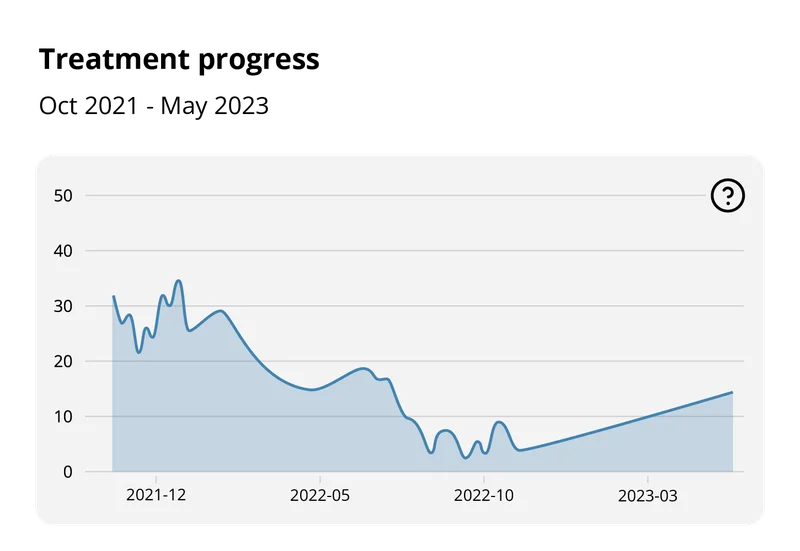
 

See results from Flow users

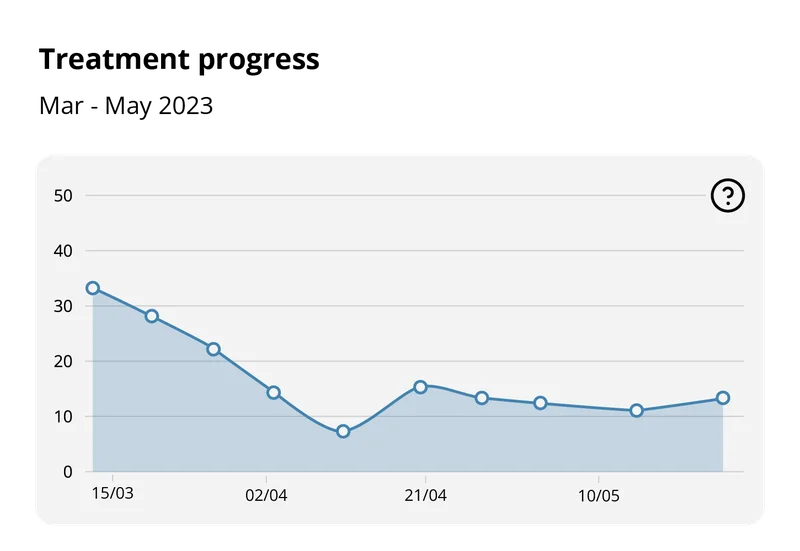
Flow users track their depression score weekly, using a quiz called MADRS-s.

Depression score: -53%

Fiona

User for 2.5 years

Depression score: -60%

Ron

User for 3 Month

Depression score: -58%

Penny

User for over 2 years

"I had nothing to lose"

Flow works for 88% of people within 3 weeks. That means for just over 1 in 10 people it doesn’t work.

If you’re one of those people, we offer a ‘no questions asked’ 30-day money-back guarantee.

So if it doesn’t work, you get your money back. It’s that sim

See if Flow can help you

We use an industry recognised quiz called MADRS-s to give you an indication of your depression severity.

Although the quiz cannot diagnose (only a doctor can do that), a score of over 12 indicates depression.

To complete the quiz, choose the statement that best represents how you’ve been feeling over the past 3 days.

Getting started

1. Buy or rent headset

Delivered in 1-3 working days.

2. Download the app

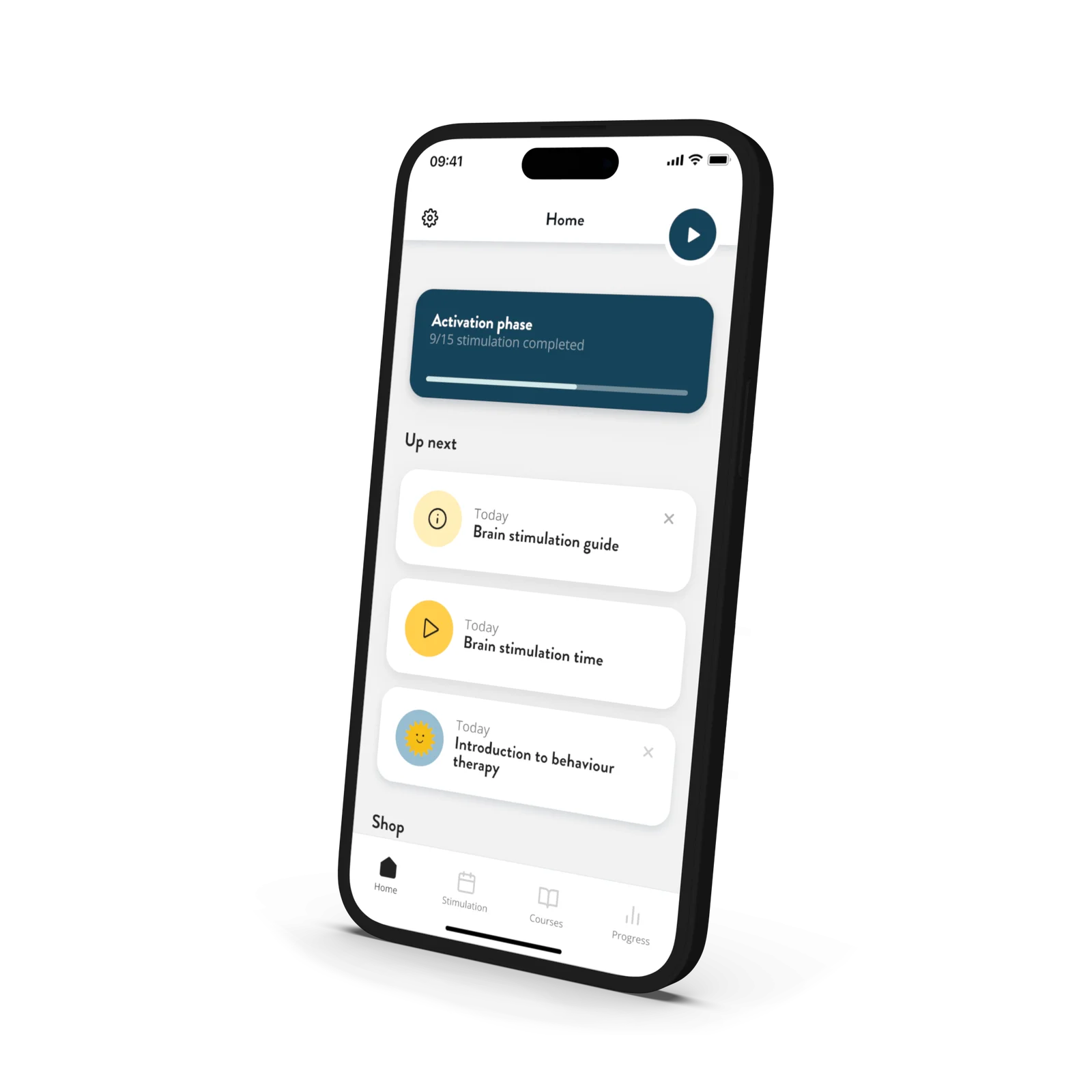
Stimulate with the app and complete behavioural therapy courses.

3. Use weekly

Use 5 times a week, for 30 mins.
After 3 weeks, reduce to twice a week.

4.4 rating on TrustPilot

4 / 5 would recommend

30-day money back guarantee

FAQs

Most people feel better after 3 weeks. In our data we see another increase after 6 weeks, and again at 10 weeks. Though this does differ from person to person.

One things for sure – you need to follow the treatment plan, which means using the headset 5 times a week for the first 3 weeks, followed by twice a week after that. Each session is 30 minutes long.

Yes. The Flow device was designed by experts and is based on tDCS techniques that have been used in clinics for over a decade to treat depression. The Flow device has undergone research that confirms it is a safe and effective treatment for depression.

tDCS is also listed as a treatment for depression on the NHS website.

Yes. About half of our users follow the behavioural therapy courses in the app, but you don’t have to. You can listen to music, watch TV, play computer games – whatever you want. Just don’t operate heavy machinery, go near water or perform intense exercise.

Whenever works best for you. Some people feel energised after a stimulation so use it in the morning. Some people feel sleepy so do it at night.

Scientifically, it doesn’t matter, so you can work out a routine that works for you.

Yes – Flow is perfectly safe to use with antidepressants, and many people use it alongside medication. If you are thinking about lowering your dose of antidepressants, or coming off them completely, you should talk to your Doctor first.

Flow has been tested on depression. We don’t have any specific clinical research on how it impacts anxiety on its own.

However, every week people who use Flow answer a questionnaire. In this sample of 10,000 users 58% are less anxious after using Flow for 3 weeks.


We recommend talking to your Doctor if you’re considering using Flow for a stand-alone diagnosis of anxiety.

Flow is a medical device, under the following circumstances you should take extra precaution and talk to your Doctor before you use it:

  • Pregnancy (or suspected pregnancy)
  • Bipolar disorder (or having a history of hypomanic/manic episodes)
  • Epilepsy (or having a history of seizures)
  • Heart disease (or suspected heart disease)
  • A neurological or neuropsychiatric condition
  • Having recently had a surgical procedure
  • Having a defect in neurocranium and/or an implant inside the skull
  • Having an active, implanted medical device (e.g. cardiac pacemaker, spinal cord stimulator, vagal nerve stimulator, auricular stimulator, deep-brain stimulating electrodes, cochlear implant, implanted hearing aid or defibrillator) or other implanted, metallic or electronic device
  • Suicidal thoughts (thoughts about ending your life)

How does Flow compare?

Antidepressants

Always talk to your GP before changing prescribed medication

Flow

References

1 Read J, Williams J. Curr Drug Saf. 2018;13 (3) : 176-186.

2 Data on file.

3 Trivedi et al. Evaluation of outcomes with citalopram for depression using measurement-based care in STAR*D: implications for clinical practice. 2006. Link

4 Double-blinded, placebo-controlled clinical trial (n=173) to measure the effectiveness and safety of Flow’s at-home tDCS depression treatment (2023).